
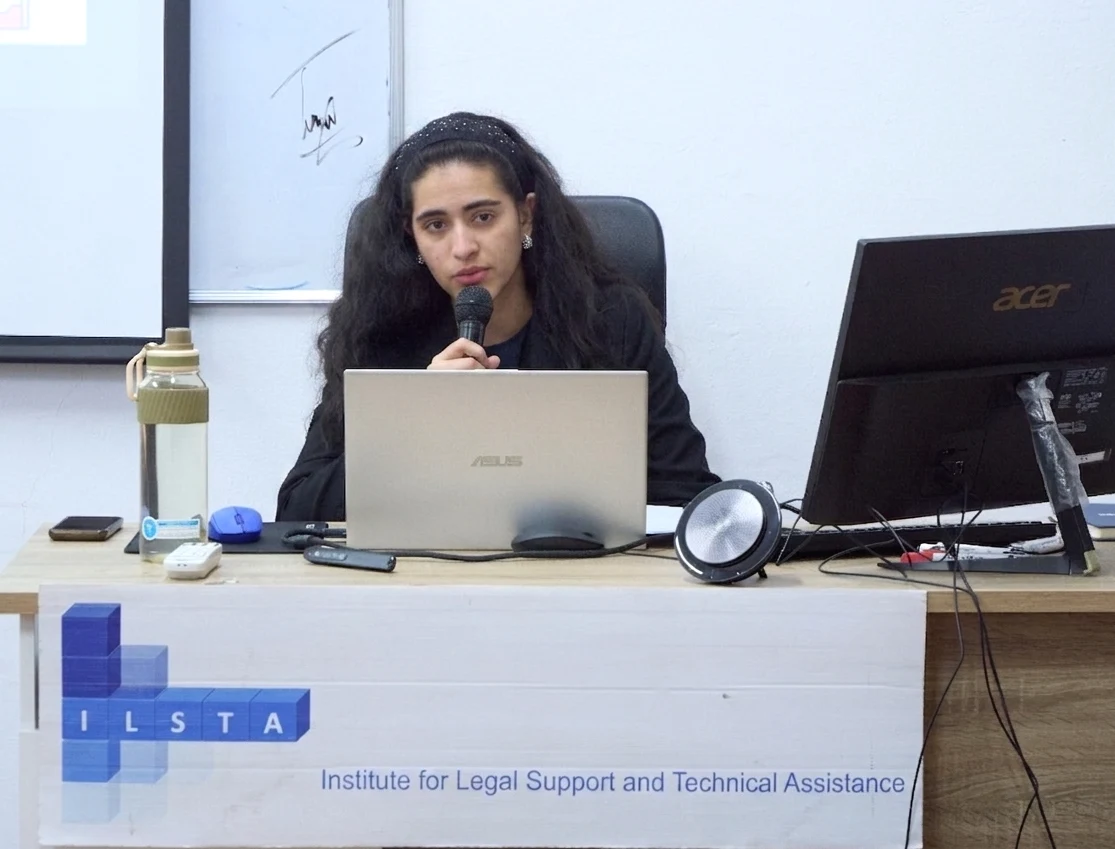
Understanding the role and proper use of evidence is essential to ensuring fair and effective criminal justice. The lecture on evidence under Lao criminal law provided participants with an overview of the principles, procedures, and safeguards that guide the collection, assessment, and use of evidence in criminal proceedings. Participants gained a clearer understanding of the importance of reliable evidence and proper documentation in establishing facts, protecting rights, and supporting sound judicial decisions.
The session also explained how evidence is collected and recorded during investigations. Special attention was given to the work of investigators, prosecutors, and the Memo of Investigation, which helps ensure that information is properly documented and kept accurate. The importance of maintaining clear and reliable records throughout the investigation process was also emphasized. This helped participants better understand how accurate documentation supports the integrity of criminal proceedings.
Basic principles of evidence were discussed, including the need for investigations to be complete, fair, and lawful. The open lecture also highlighted important protections such as the presumption of innocence, the right to a defense, and the rule that guilt must be proven with reliable evidence. These principles were presented as safeguards to ensure respect for the rights of all parties in criminal proceedings. Participants were encouraged to consider how these safeguards contribute to a fair and effective justice system.
Participants were introduced to the three main types of evidence under Lao law: physical evidence, documentary evidence, and evidence from persons. The lecture also covered witness statements, identification procedures, expert opinions, hearsay, and confessions, with explanations of the safeguards used to ensure fairness. The different forms of evidence were considered in relation to their relevance and reliability in establishing facts. Practical explanations helped participants distinguish between different sources of information and understand their respective roles in criminal cases.
Examples were used throughout the session to show how evidence is assessed and how courts decide what information can be trusted. These discussions helped participants understand the challenges of proving facts while protecting individual rights. The practical examples also helped connect legal principles with situations that may arise during investigations and court proceedings. This approach supported participants in applying the concepts discussed during the lecture to practical legal situations.
The interactive approach provided participants with opportunities to clarify concepts and exchange views on the practical aspects of evidence. The resources shared during the session also encouraged participants to continue exploring the topic beyond the lecture. The final discussion allowed participants to reflect on the main lessons from the session and raise additional questions. It also reinforced the importance of reliable evidence, proper procedures, and respect for legal safeguards in criminal justice.
This activity was supported by Luxembourg Aid & Development.